




What if there was a way to settle family disputes without the financial and emotional toll of going to court? Non-Court Dispute Resolution (NCDR) offers a great alternative. It helps couples settle conflicts quickly, privately, and with better control over the results. Unlike litigation, NCDR prioritises cooperation, cost-efficiency, and long-term stability. It ensures disputes are resolved constructively rather than through adversarial proceedings.
The UK family court system now expects separating couples to attempt NCDR going to court. Mediation, arbitration, and collaborative law are effective ways to reach fair agreements. They help with child arrangements, financial settlements, and divorce terms. Plus, they save time and money compared to court proceedings. Courts can also penalise people for not participating in dispute resolution. Therefore, NCDR is a wise and legal first step.
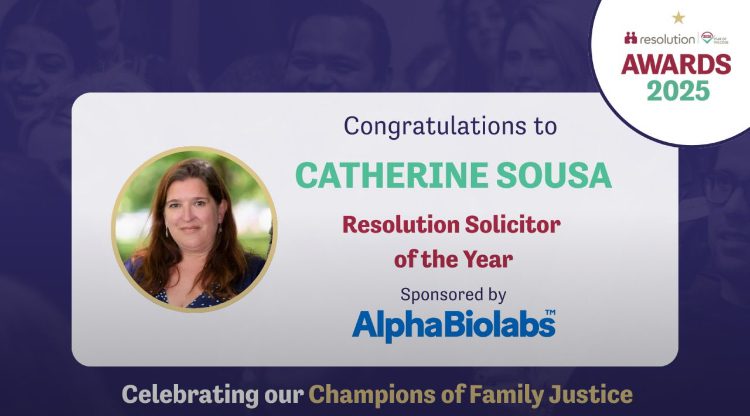
At Sousa Law, we specialise in guiding families through the NCDR process. We ensure that agreements are legally sound and tailored to your needs. Our solicitors and accredited mediators have extensive experience in family law dispute resolution. So we can help clients reach fair, legally enforceable, and sustainable solutions for the future.
Non-Court Dispute Resolution (NCDR) helps couples settle family disputes without needing a judge. These methods include mediation, arbitration, collaborative law, and private Financial Dispute Resolution (FDR). They give you a fast, affordable, and legally accepted way to resolve disputes without going to court. By engaging in NCDR, couples can negotiate settlements in a structured environment with the support of trained legal professionals who facilitate fair and balanced discussions.
In recent years, the UK government has increased its support for NCDR and introduced legal reforms to help resolve disputes early. As part of the 2024 Family Procedure Rules update, courts now require greater evidence of NCDR engagement. Otherwise, they are unable to accept family law applications. These changes seek to cut court backlogs, lower legal costs for families, and promote friendlier separations.
Yes. In most cases, UK family courts require applicants to attempt NCDR before initiating litigation. If applicants don’t attempt NCDR, they may face delays, extra legal costs, and possible financial penalties from the court. Understanding the necessary steps to comply with this requirement helps ensure a smooth legal process.
Before applying for a court order, couples must attend an MIAM to determine whether mediation is a viable option. This initial meeting is legally required unless a valid exemption applies. Such examples might include cases involving domestic abuse or urgent safeguarding concerns.
This form provides evidence that you have considered or attempted NCDR. Courts now rely on this to assess whether litigation is necessary. Failure to provide Form FM5 may result in your application being delayed or rejected.
Courts can issue cost orders against individuals who refuse to engage in NCDR without valid justification. If a party skips mediation or arbitration, they could be forced to cover the other party's legal fees. This can greatly raise the costs of litigation.
Taking a family dispute to court is often time-consuming, expensive, and emotionally challenging. The average contested divorce in the UK costs over £15,000 for each person. Yet, when it comes to property, pensions, and investments, financial settlements can often go beyond £25,000. In cases that go to a final hearing, expenses can rise even more. This is because of solicitor fees, barrister costs, and court administration charges.
Litigation leads to more stress and conflict, especially when kids are involved. However, it's not just about money. Studies show that prolonged legal disputes negatively impact children’s mental well-being. According to the BBC, families in court face more anxiety, emotional distress, and long-term behaviour issues.
Mediation is effective for parents, couples who are parting ways, and those who need to resolve financial agreements. In 2024, the UK government extended funding for mediation, with vouchers covering up to £500 of mediation costs for eligible cases.
Arbitration is suited for cases involving property, pensions, and high-net-worth financial settlements. It offers a legally binding decision, meaning couples gain the certainty of court outcomes without court delays.
In most family law cases, yes. UK courts require separating couples to attend a Mediation Information and Assessment Meeting (MIAM). They expressly ask this before applying for a court order related to child arrangements or financial disputes. If mediation is unsuitable, an exemption may apply. However, applicants must submit Form FM5 to prove they considered NCDR before taking legal action. Failure to engage in NCDR can lead to delays, increased legal costs, or court-imposed financial penalties.
Choosing NCDR instead of court litigation offers several key advantages:
First, you need to book a Mediation Information and Assessment Meeting (MIAM). This meeting will help you determine how to best resolve your situation. Mediation, arbitration, or collaborative law may be recommended depending on your situation. At Sousa Law, we offer a free 15-minute consultation to help you understand your options and decide the next steps. To book an appointment, call 02380 713060 or contact us.
Resolve your family dispute with confidence and find the right solution without the stress of court.
Opting for Non-Court Dispute Resolution (NCDR) allows you to shape your own future. It helps you steer clear of the financial and emotional strains of going to court. At Sousa Law, we help families with separation, child arrangements, and financial disputes. We use legally recognised methods like mediation, arbitration, and collaborative law.
Discover how Sousa Law can help you resolve your dispute efficiently and amicably. Book your free 15-minute consultation to explore your options and find the best path forward - no obligation - just clear, expert guidance.
Call us now on 02380 713060 or contact us to schedule your consultation.









16 College Place, Southampton, Hampshire, SO15 2FE
Tel: 02380 713 060
Email: [email protected]